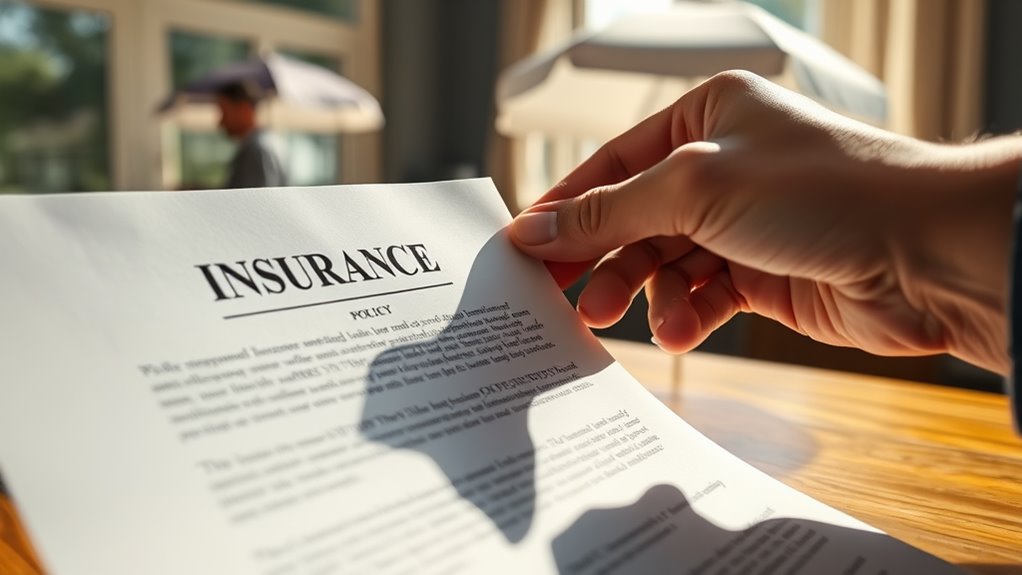

Many people underestimate the serious consequences of an insurance lapse, especially since each state imposes its own set of regulations. Fines, penalties, and even license suspensions can all result from a lapse in coverage. In addition, you may face increased premiums and personal liability if you're involved in an accident during this period. Understanding these implications is essential to safeguard your financial security and legal standing. What steps can you take to avoid these pitfalls?
Have you ever considered the potential fallout from an insurance lapse? The consequences can be far-reaching, affecting not just your finances but also your legal standing and peace of mind.
When you drive without insurance, you expose yourself to a range of legal repercussions. Depending on the state you live in, you could face fines, penalties, or even a suspension of your driver's license. Some states might require you to file an SR-22 form, which certifies that you have minimum insurance coverage. Additionally, failing to maintain coverage may lead to the suspension of your vehicle registration, compounding the complications you face. SR-22 insurance is particularly important for those who have had their licenses suspended due to lapses in coverage.
Driving without insurance exposes you to legal repercussions, including fines, license suspension, and potential vehicle registration issues.
The financial implications are equally intimidating. If you let your insurance lapse, expect increased premiums in the future as insurers perceive you as a higher risk. Furthermore, if you happen to be involved in an accident during that lapse, you won't have coverage for those costs, leaving you liable for all damages. Late payments can also eat into your finances, as they often incur additional fees during grace periods. If you neglect to pay your premiums, you could find yourself facing collections, which can negatively impact your credit score. This economic loss can jeopardize your personal financial security, putting your assets at risk. Continuous coverage offers discounts, which can provide financial relief in the long run.
Without insurance, you assume personal liability for any damages caused in an accident. This means your personal savings or even property could be seized to fulfill legal judgments against you. Additionally, you'll have to cover all accident-related expenses out of pocket, which could be substantial. In some jurisdictions, uninsured drivers face limited legal options for pursuing damages, further complicating your situation. The emotional distress following an accident can be exacerbated by the knowledge that you lack coverage, creating an overwhelming sense of vulnerability.
Maintaining continuous coverage has its advantages, such as discounts on your premiums. However, if you do experience a lapse, reinstating your policy can be challenging and may involve additional costs and documentation. You might also face higher costs when initiating a new policy after a lapse, as some insurers may be hesitant to offer coverage to applicants with gaps in their insurance history. If you financed your vehicle, you run the risk of repossession if you fail to meet insurance requirements.
To prevent lapses, consider setting up automatic payments for your premiums and keeping a close eye on expiration dates. Regular communication with your insurer can help guarantee that you stay informed about your coverage. Understanding grace periods can also help you avoid unnecessary penalties.
If you find yourself facing a lapse, act promptly to reinstate your policy, and be prepared to provide necessary documentation. Comparing quotes from various insurers can help mitigate increased costs, paving the way for more affordable coverage in the future while protecting your assets and peace of mind.
Conclusion
To sum up, understanding the consequences of an insurance lapse in your state is crucial to avoid falling through the cracks. Whether it's facing fines, losing your license, or experiencing higher premiums, the implications can be significant. Staying informed about your state's regulations helps you keep your coverage continuous and your financial security intact. Remember, it's better to be safe than sorry—keeping up with your insurance can save you from a world of headaches down the road.